The development of search engine algorithms has completely changed the way that content is found online. Using secondary keywords, making use of good secondary keyword SEO techniques, learning about the functioning of primary keywords in SEO, and learning the balance between primary and secondary keywords in SEO are all important in order to establish online dominance.
Traditional search engines were based on the principle of an exact string-match query. This meant that whatever was being searched for on the page matched the words that had been keyed into the search engine box. However, things have changed with respect to modern-day search engines, which use artificial intelligence. To capture prime visibility in modern generative search experiences, your content strategy must look beyond a single focus phrase.
Feeding Large Language Models (LLMs) Comprehensive Topical Depth
Search engines using AI don’t merely look at how many times a given keyword appears on a given page. In contrast, they determine if the text adequately answers the hidden user’s query. This contemporary process is mostly defined by the ideas of semantic relevancy and contextual webs.
When you manage to embed the secondary keywords, such as seo in your articles, you provide a detailed contextual map for AI. The secondary keywords may include long-tail keywords, industrial synonyms, and related subtopics. You let the hidden AI know that you cover the topic thoroughly and not superficially.
A search overview driven by AI is very likely to combine, quote, and cite the article, which provides total topical authority and not just mindlessly repeats the main focus keyword. You enrich your vocabulary and create a good semantic footprint that is easy to read for search bots.
2. Bridging the Gap Between Primary Keywords in SEO and Conversational AI Queries
The conventional approach was to concentrate mostly on defining primary keywords in seo, as that was the only way to inform the readers of the essence of the website. However, even though the central theme should be defined well enough, the behavior of people changed drastically. They began to communicate with AI-driven search engines using prompts that consist of several words or phrases.
It is possible to simulate human speech patterns by considering SEO primary and secondary keywords together. Secondary keywords reflect the way people actually formulate their queries, so including them allows making sure that your content corresponds to the prompts that people use nowadays when communicating with AI-driven search engines. In such a way, your website has better chances of being chosen as a direct source for citation in an AI-generated summary.
3. Multiplying Your Opportunities for Snippet and Overview Extraction
AI search overviews construct summaries by pulling snippets, definitions, bullet points, and short explanations from multiple high-ranking sources across the live web. A web page built around only one rigid target phrase drastically limits its semantic reach.
Integrating robust secondary keywords allows a single article to rank for dozens of related sub-queries simultaneously. The more related variations, practical data points, and subtopics your page addresses cleanly through natural keyword integration, the easier it is for an AI algorithm to extract specific sections of your text.
When an overview needs to answer a multi-faceted question, it looks for modular, well-explained paragraphs, making a semantically rich article the ideal candidate for extraction.
4. Structuring Content for AI Parsing Using Headings and Lists
AI models do not read the content of web pages as humans do; they use parsing of the content structure to split up complicated subjects into easy pieces.
With the smart usage of your secondary keywords in the subheadings (H2 and H3 tags) and in organized lists, you provide an AI-friendly structural clue to web crawlers. This means that when the AI crawler gets a particular query, it immediately knows in which part of the page there is the needed information regarding this sub-intent. If a person asks a question concerning the sub-intent, AI picks up the very H2 heading with your secondary keyword and places it into the search box.
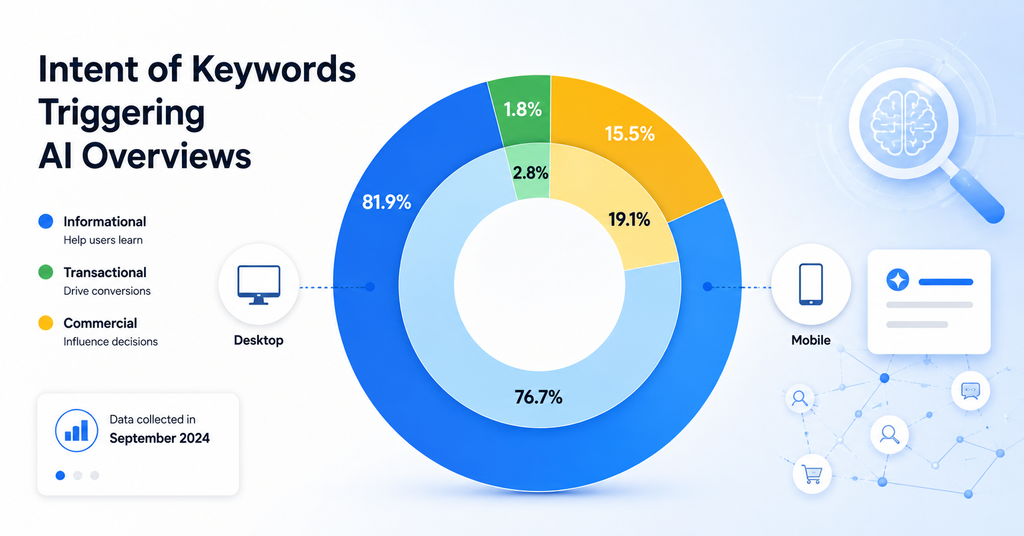
5. Enhancing Reader Engagement and Lowering Bounce Rates
Though optimization with algorithms may be important, at the end of the day, search engines reward content that serves humans better. While you use supporting keywords effectively, you actually begin answering the questions that readers may have in mind while scrolling down.
When a reader comes to your page seeking basic knowledge but finds that your content includes subtopics related to the topic in question, then he stays on your page longer. Engagement time, higher dwell time, and a low bounce rate provide a strong behavioral signal to the search engines.
How many secondary keywords should be included in one article?
Forget about trying to include a specific number of keywords; concentrate only on the context. Usually, including 3 to 5 secondary keywords in the context of your sub-headings, paragraphs, and FAQs is ideal.
Conclusion
In order to optimize articles for contemporary search engines, you have to write for people and for an AI-based analysis of texts at the same time. In order to do so, secondary keywords have to be used as support for your topic focus. Expand your topical scope, prioritize user intent, and watch your visibility grow across traditional and generative search results alike.